Xuan Du Trinh
Ph.D. Student in Computer Science · Stony Brook University
Scroll ↓
Ph.D. Student in Computer Science · Stony Brook University
About
I am Xuan Du Trinh, a Ph.D. student conducting research in Quantum Information at the Department of Computer Science, Stony Brook University. I am particularly interested in physics questions in entanglement theory.
Previously I completed master's degrees in Quantum Information at Sorbonne Université (2023) and in Theoretical Physics at the ENS de Paris (2022), after graduating from the Engineering Program at École Polytechnique (X) in 2021.
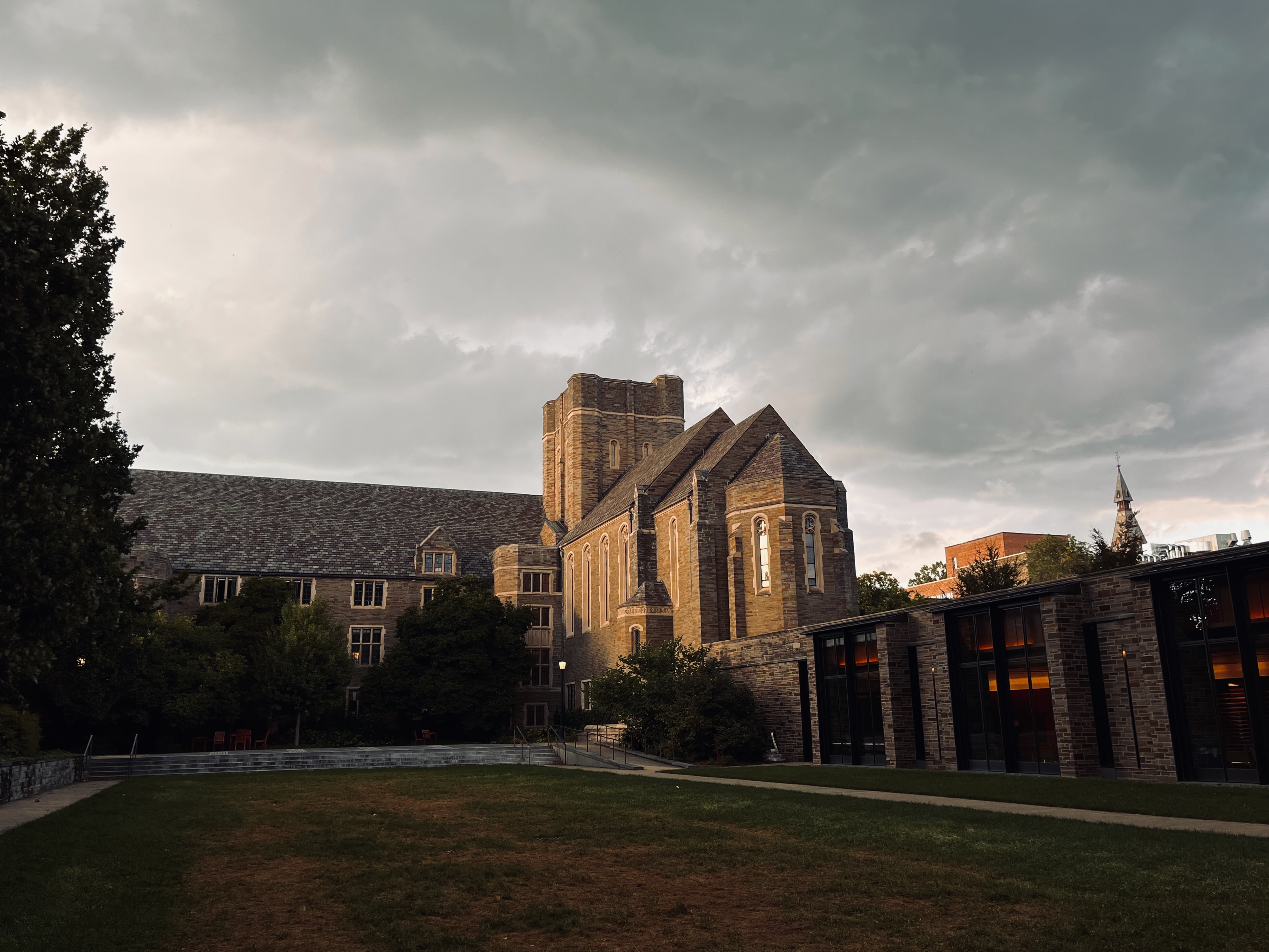
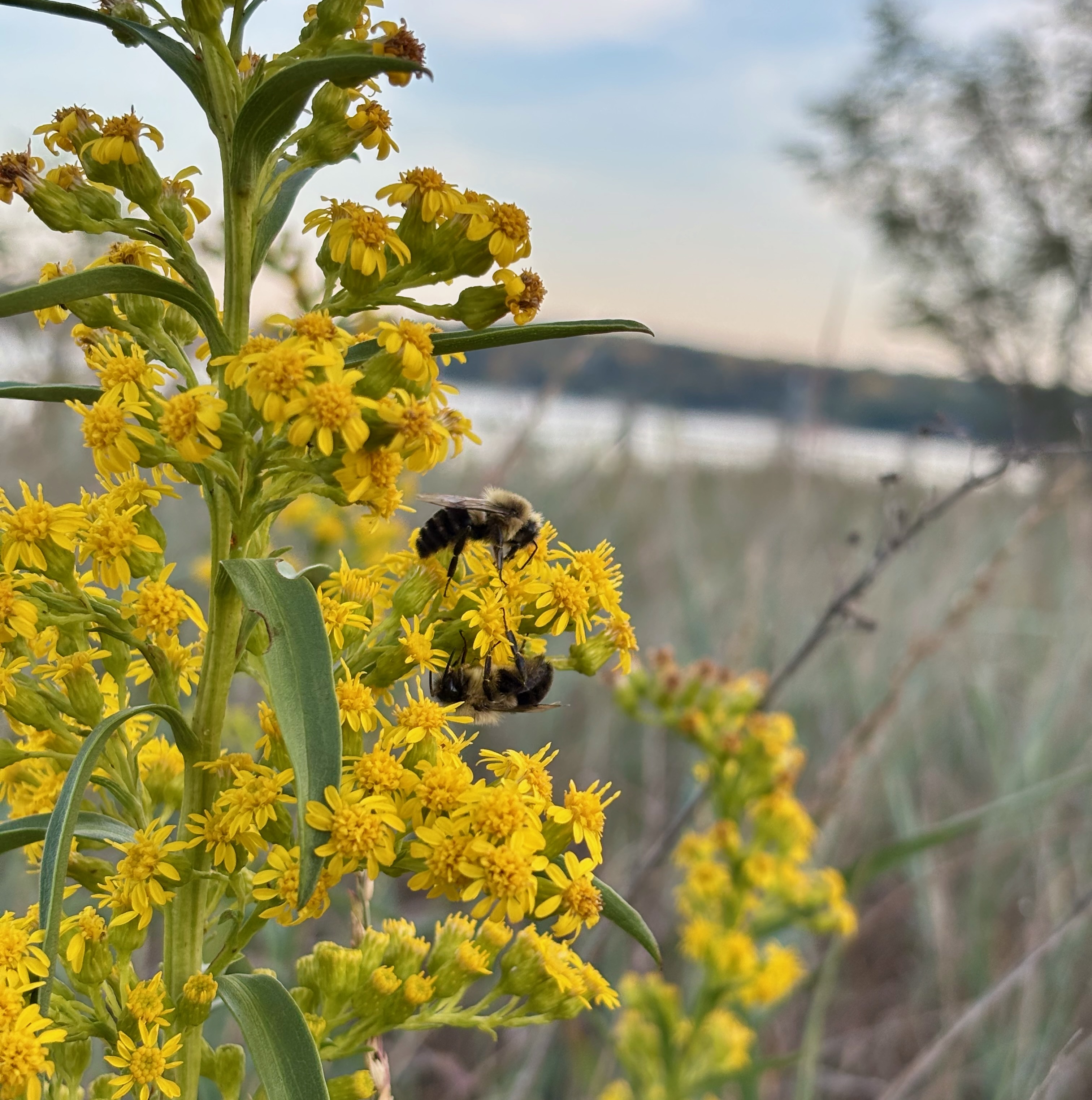
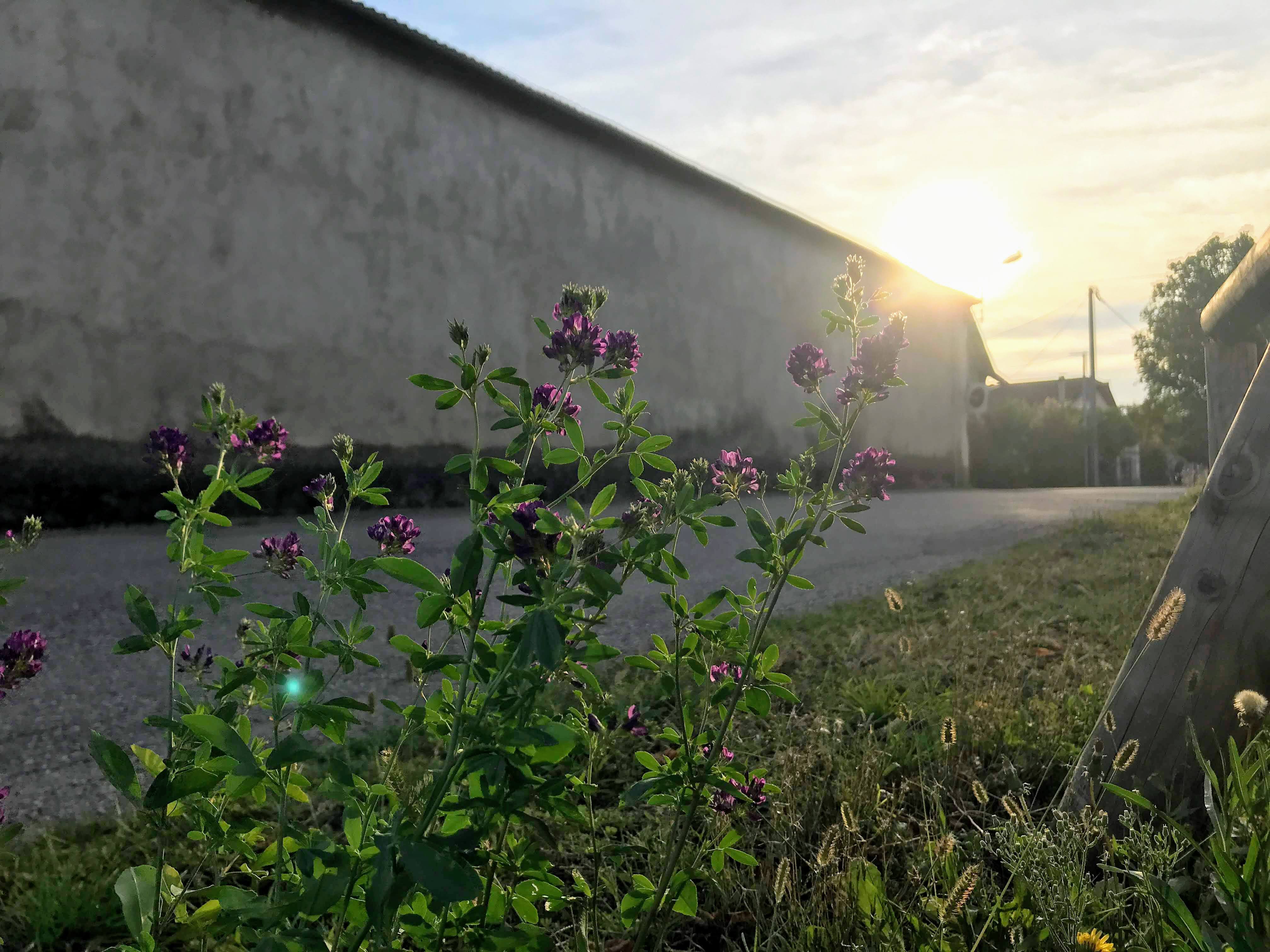
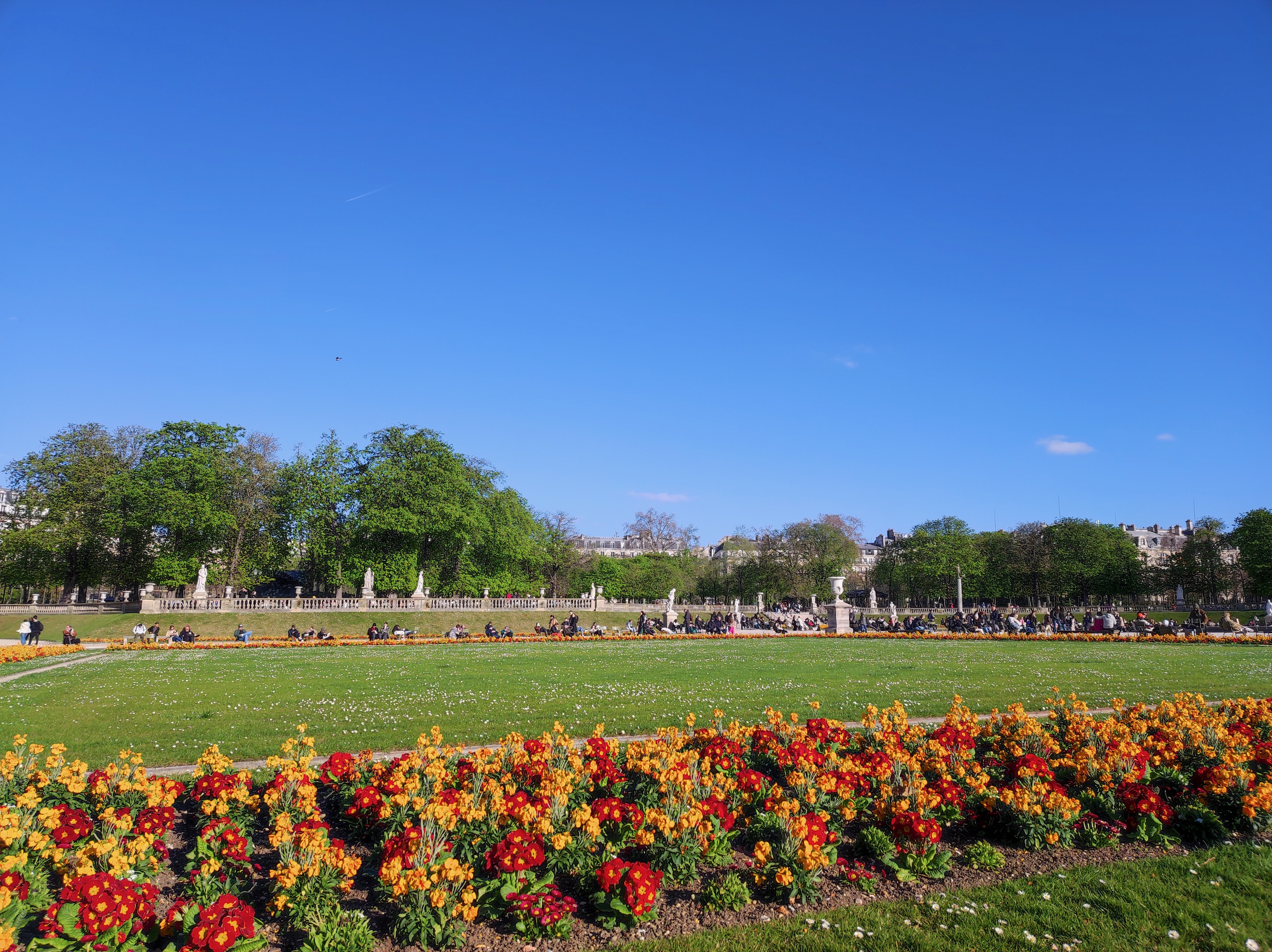
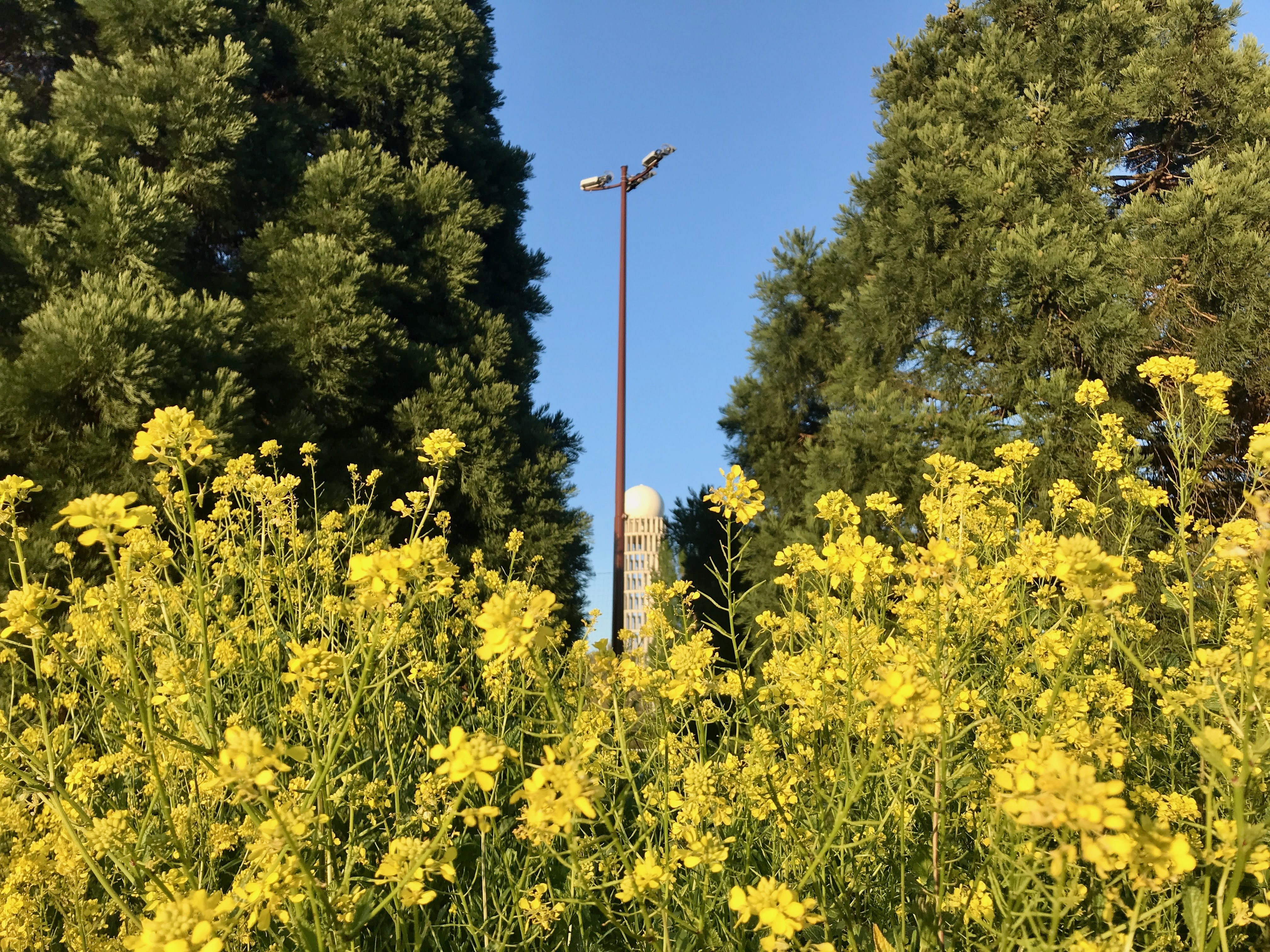
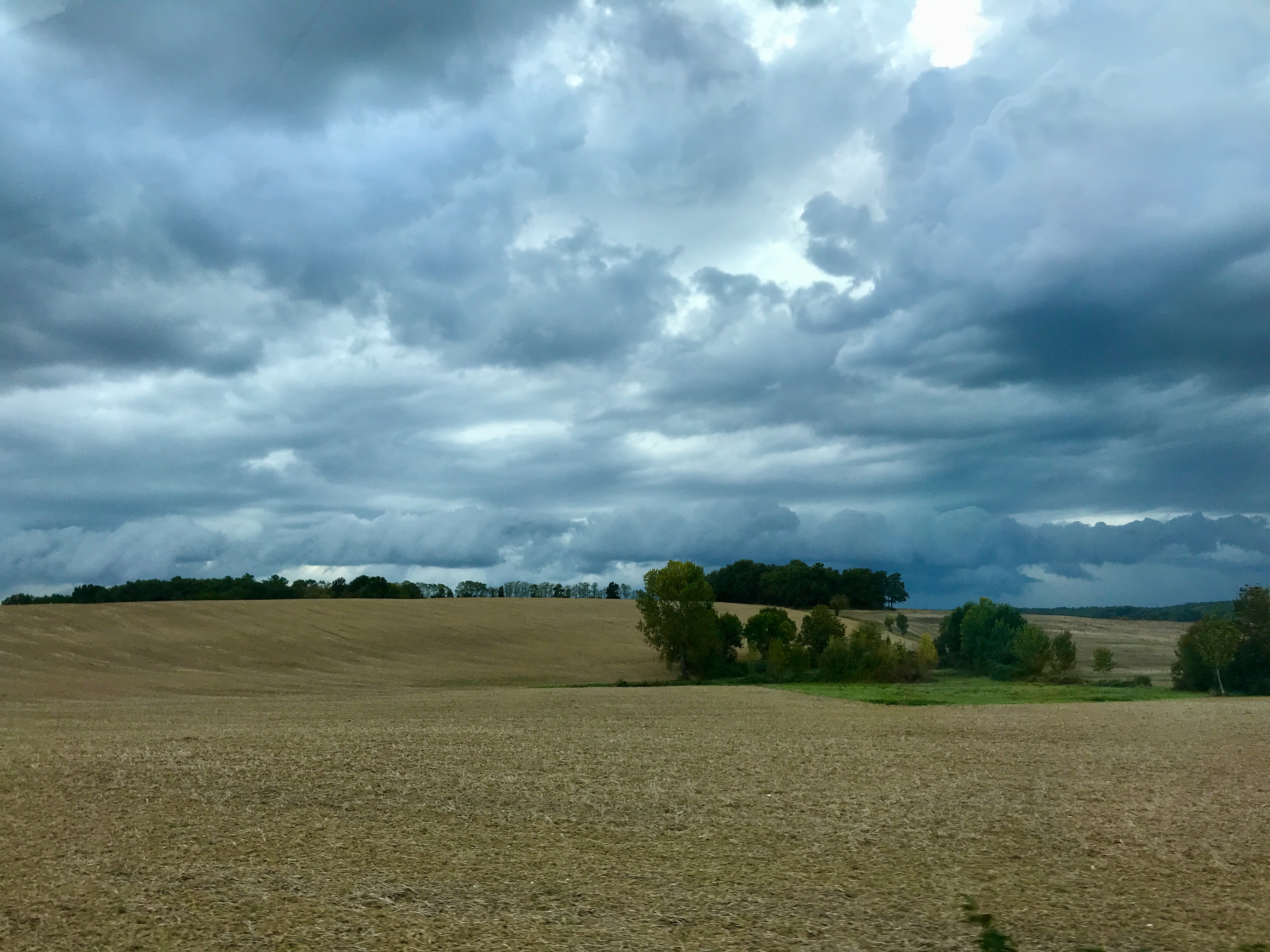
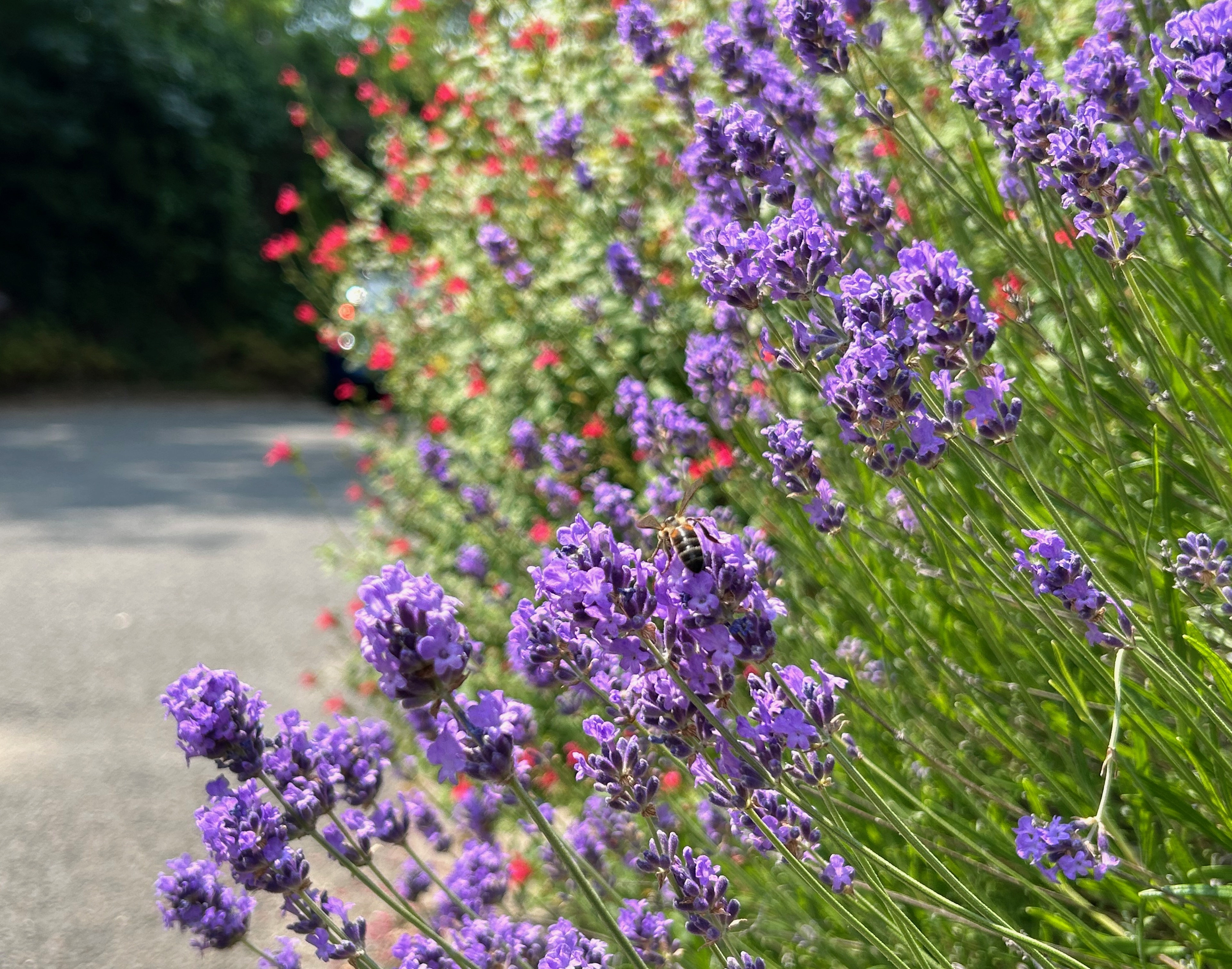
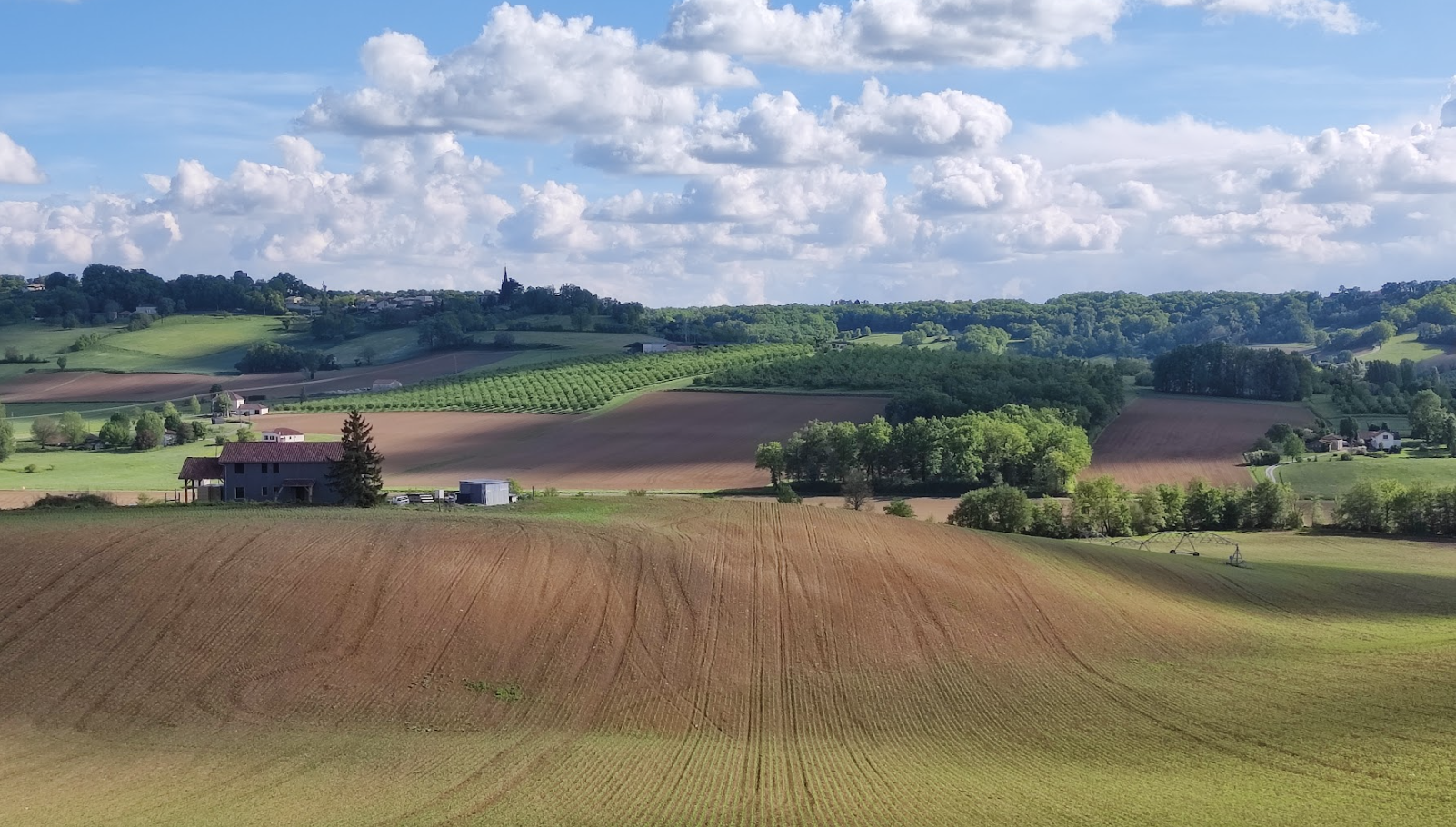
Outside of research I spend a lot of time behind a camera. The photography section below collects places I have travelled to and moments worth keeping.
Life is a stop between two lives … and your body is a bus you take to the next one, where you descend and go on another. La vie n'est pas quelque chose de différent qu'un arrêt entre deux vies… et ton corps est un bus qui t'emmène à la prochaine vie, où tu descends pour prendre un(e) autre.Download CV
Research
I work in quantum information, on the verification of quantum circuits, quantum channel learning, entanglement and nonlocality certification, and quantum network protocols.
Proves that any entangled two-qubit link with full-rank noise has a finite depth beyond which entanglement swapping can no longer establish end-to-end entanglement, even under adaptive postselection, while rank-deficient links keep a positive concurrence branch at every depth, with swapping experiments on a superconducting processor.
Shows that the X part of the noise alone bounds the Bell weight at which a noisy mixture gains an operational ability such as steerability or Bell nonlocality, so partial tomography can certify the ability, and proves that the threshold is nondecreasing in the relative phase between the noise and Bell coherences even when no closed-form criterion is known.
Derives exact intervals and thresholds for entanglement, teleportation usefulness, steerability, and CJWR and CHSH violation in mixtures of a Bell state with arbitrary complex X noise, and shows the thresholds form a universal chain that widens as the relative phase between the noise and Bell coherences grows.
A verification-based quantum transmission (VBQT) protocol that treats noise as a first-class design goal, coupling entanglement verification with hop-by-hop teleportation so that only high-fidelity pairs are used across repeaters, substantially improving the fidelity and goodput of multi-hop quantum communication.
Defines the entanglement and fidelity absorption capacities of a Bell-mixing line, with closed-form thresholds for product and X noise states and extensions to local amplitude-damping and dephasing channels.
Examines how classical stochasticity emerges from a quantum system governed by a Pauli-type master equation, showing that assuming the system has a definite state at intermediate times, though not automatically justified, is essential for computing stochastic quantities such as persistence and first arrival times.
A tool for equivalence checking of quantum circuits, especially efficient for low-depth circuits with a large number of qubits, benchmarked against other methods and under active development.
Certifying entanglement by measuring nonlocality, with applications to quantum networks.
Algorithms for checking equivalence and verifying shallow quantum circuits at scale.
Shows that adaptive strategies do not improve Pauli channel learning when maximally entangled states are available, and provides an optimal algorithm and the complexity of the problem in this setting.
Photography
Places I have wandered through, and moments I wanted to hold on to. Hover a photo for where and when.